Руанда
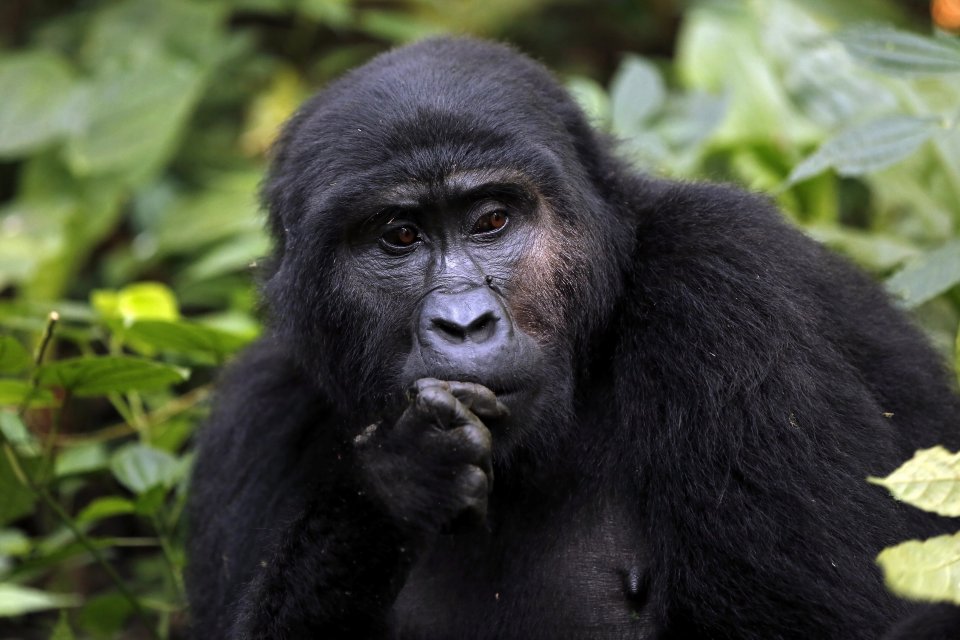
Gorillas are the largest living primates and belong to the family Hominidae, which also includes humans, chimpanzees, and orangutans. They are primarily found in the forests of central and western Africa and are known for their impressive size, social behavior, and intelligence.
Physical Characteristics: Gorillas have a robust and muscular build, with adult males, known as silverbacks, weighing between 300 to 485 pounds (135 to 220 kg) and standing about 4.5 to 6 feet (1.4 to 1.8 meters) tall when upright. Females are generally smaller, weighing between 150 to 250 pounds (68 to 113 kg). They have a distinctive appearance, characterized by a broad chest, large hands, and a prominent brow ridge. Their fur is typically black or dark brown, and silverbacks have a patch of silver hair on their backs as they mature.
Social Structure: Gorillas live in groups called troops or bands, which usually consist of one dominant male (the silverback), several females, and their offspring. The silverback is responsible for the protection and leadership of the group, making decisions about movement and foraging. Gorillas are known for their strong family bonds and exhibit nurturing behaviors towards their young.
Diet: Gorillas are primarily herbivorous, feeding on a diet that consists mainly of leaves, stems, fruit, and flowers. They are known to consume a wide variety of plant materials, which provides them with the necessary nutrients. Their diet can vary depending on the season and availability of food sources.
Behavior and Communication: Gorillas are highly intelligent and exhibit a range of behaviors, including tool use, problem-solving, and social interactions. They communicate through vocalizations, body language, and facial expressions. Common vocalizations include grunts, roars, and barks, which serve various purposes, such as signaling alarm or maintaining group cohesion.
Conservation Status: Gorillas are classified as endangered due to habitat loss, poaching, and disease, particularly the Ebola virus. Conservation efforts are underway to protect their habitats and ensure their survival in the wild. Organizations work to promote ecotourism, which can provide economic benefits to local communities while supporting gorilla conservation.
In conclusion, Gorillas are remarkable creatures that play a vital role in their ecosystems. Their complex social structures, intelligence, and behaviors make them a subject of fascination for researchers and wildlife enthusiasts alike. Protecting gorillas and their habitats is crucial for maintaining biodiversity and the health of forest ecosystems.