Уганда
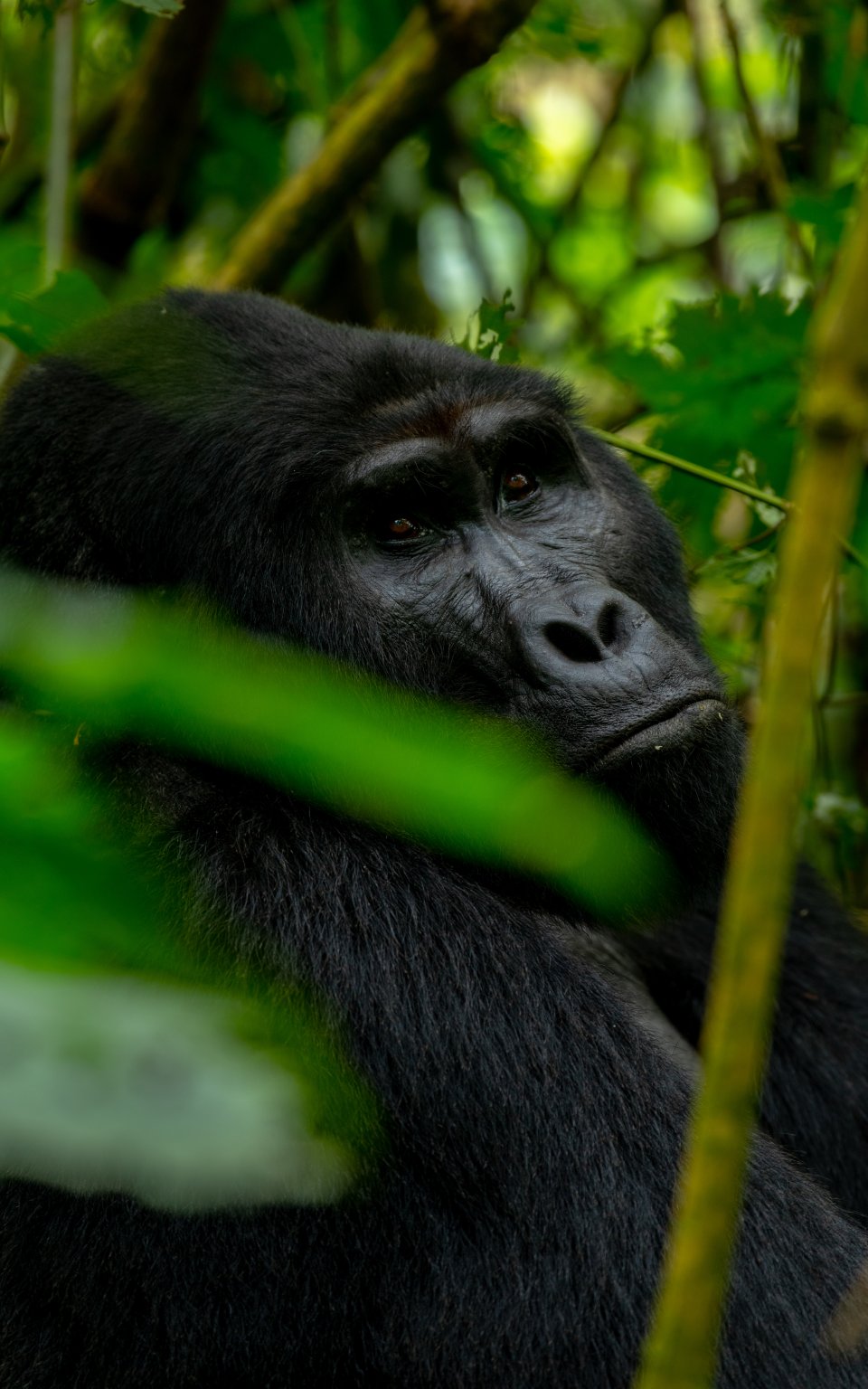
Bwindi Impenetrable National Park, a UNESCO World Heritage Site located in southwestern Uganda, is one of Africa’s most biologically diverse and captivating natural areas. Famed for being one of the last remaining habitats of the critically endangered mountain gorillas, the park spans approximately 321 square kilometers of ancient, mist-covered rainforest. This lush ecosystem dates back over 25,000 years and is home to nearly 400 species of plants that contribute to its dense, almost mythical appearance.
The park shelters more than 120 species of mammals, over 350 species of birds, and a wide variety of reptiles and amphibians. In addition to mountain gorillas, visitors may encounter chimpanzees and several monkey species roaming freely in the treetops.
Bwindi is one of Uganda’s top ecotourism destinations, best known for gorilla trekking experiences that allow travelers to observe these magnificent creatures in their natural habitat. A network of scenic hiking trails also offers unforgettable opportunities for birdwatching, photography, and exploring the park’s remarkable flora and fauna.
Local communities play a vital role in conservation efforts, and tourism directly supports both the preservation of the park and the livelihoods of those who live nearby. Bwindi is not only an ecological treasure but also a meaningful connection between nature, culture, and sustainable travel.